Skip to content
Chemical Peels at Angel Aesthetics Med Spa in Orlando, FL
Chemical Peels
The appearance of acne, hyperpigmentation, fine lines, and uneven skin tone can develop as the skin’s natural renewal process slows over time. Surface-level skincare may not always penetrate deeply enough to address these concerns.
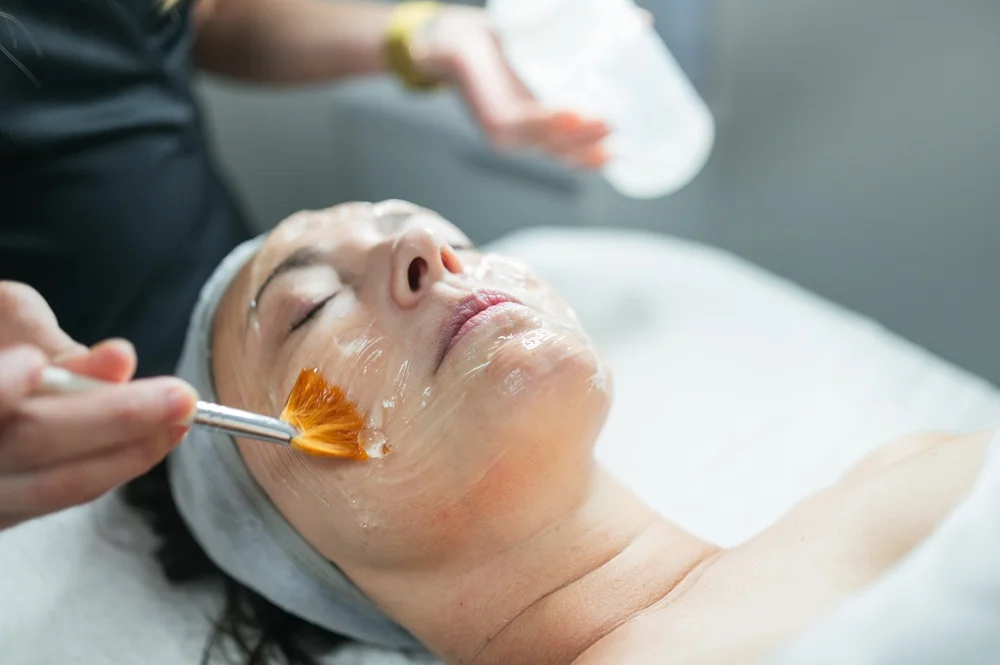
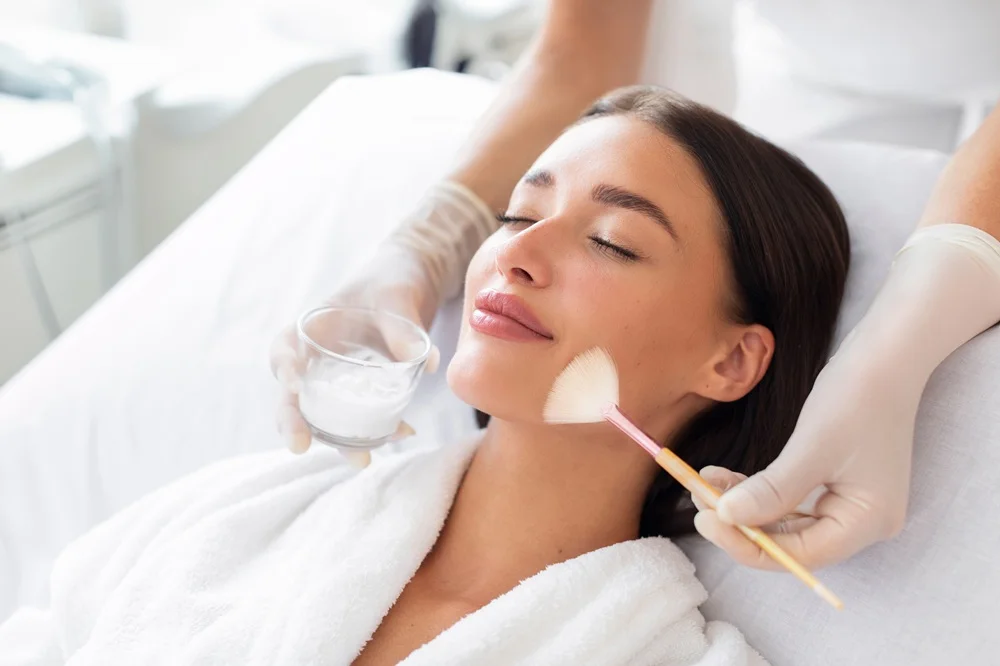
Chemical Peels use carefully selected solutions to exfoliate the outer layers of skin, revealing smoother, brighter, and more even-toned skin beneath. These treatments stimulate collagen production and accelerate cell turnover, improving skin texture and clarity. A chemical peel can be customized to suit your skin type and goals.
Benefits of Chemical Peels
- Improves skin tone and texture
- Reduces acne and acne scarring
- Minimizes fine lines and wrinkles
- Helps fade hyperpigmentation and sun damage
- Stimulates collagen production
- Customizable treatment options
- Minimal to moderate downtime depending on peel strength
Aftercare
Important aftercare instructions to support healing and results
What to Expect
Chemical peels work by applying a medical-grade solution to the skin to exfoliate damaged outer layers and stimulate skin renewal. Redness, dryness, tightness, peeling, and flaking are expected and normal parts of the healing process.
First 72 Hours (CRITICAL)
- Keep skin clean and dry
- Use a gentle cleanser only, morning and night
- Apply only products provided or approved by the office
- Use cool compresses as needed for comfort
Do Not:
- Apply makeup for the first 72 hours
- Exercise or sweat heavily
- Touch, rub, peel, or pick flaking skin
- Apply heat (sauna, steam room, hot showers)
- Use active skincare products (retinoids, acids, vitamin C, benzoyl peroxide, exfoliants)
- Apply any products not specifically approved by your provider
During the Healing Period (First 7-14 Days)
- Continue gentle cleansing morning and night
- Continue using only office-approved skincare
- Avoid direct sun exposure
- Apply broad-spectrum SPF once peeling has resolved and skin is intact, as instructed
Avoid:
- Tanning beds
- Prolonged sun exposure
- Facial treatments or devices
- Scrubs, exfoliation, or facial brushes
Expected & Normal Side Effects
These are common and expected after a chemical peel:
Redness
Dryness or tightness
Peeling or flaking
Bronzing or darkening before shedding
Mild swelling
Mild sensitivity
Side effects typically improve over several days to two weeks, depending on peel depth.
When to Contact the Office
Call us if you experience:
Increasing pain after the first 48–72 hours
Signs of infection (worsening redness, warmth, pus, fever)
Blistering or open wounds
Worsening swelling or redness
Seek emergency care immediately if you experience:
- Severe pain
- Rapid swelling
- Signs of an allergic reaction
Important Disclaimers
- Results vary based on skin type, peel depth, and individual healing response
- Pigment changes are a known risk if post-care instructions are not followed
- No cosmetic outcome is guaranteed
- Additional treatments may be required
- Failure to follow post-procedure instructions increases complication risk and releases the provider and practice from liability related to non-compliance
Follow-Up
- Follow-up appointments as recommended by your provider
- You may need additional sessions based on your skin's response
Frequently Asked Questions
How do chemical peels help improve the look of skin?
Chemical peels remove a thin layer of old skin cells from the surface of the skin. This process helps reveal newer skin underneath, which may appear smoother and more even in tone. A provider will recommend the right peel strength based on your skin type and concerns.
After a chemical peel, will my skin peel?
Some people notice light flaking or peeling in the days after treatment. This is a normal part of how the skin renews itself. The amount of peeling can vary depending on the type of peel used and your skin’s response.
How should I care for my skin after a chemical peel?
After a chemical peel, your provider may recommend gentle skincare and daily sunscreen. It is important to keep the skin moisturized and avoid picking or pulling at peeling skin. Following aftercare instructions can help support the healing process.
How often can someone receive a chemical peel?
The timing between treatments depends on the type of peel and your skin goals. Some lighter peels may be done more often, while stronger peels require more time between sessions. A consultation helps determine a safe and appropriate treatment plan.
Learn if a Chemical Peel Is Right for Your Skin
If you are curious about chemical peels, a consultation is a helpful first step. During this visit, a qualified provider will review skin concerns, discuss your goals, and let you know which treatment options may be suitable for you. Schedule a consultation today to learn more about chemical peel treatments and how they may support your skin care goals.